
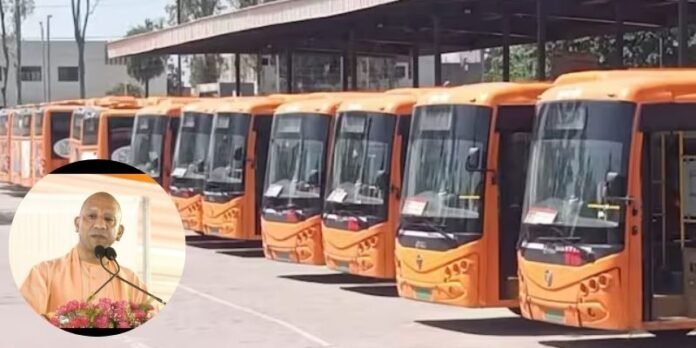
The Uttar Pradesh Cabinet, chaired by CM Yogi, has approved a proposal to buy 250 new electric buses for the Uttar Pradesh State Road Transport Corporation (UPSRTC). The project will cost ₹425.50 crore and aims to modernise public transport, reduce pollution, and improve passenger services across the state.
The state government will provide ₹400 crore during the 2026-27 financial year, while UPSRTC will contribute the remaining ₹25.50 crore.
250 Electric Buses to Join UPSRTC Fleet
Under the approved plan, UPSRTC will purchase 250 electric buses. The fleet will include 100 buses with 50 seats (12-metre, 3×2 Type-II) and 150 buses with 41 seats (12-metre, 2×2 Type-III).
Finance Minister Suresh Khanna said the new buses will make public transport cleaner, more modern, and more comfortable for passengers.
UP Manufacturers to Get Preference
The Yogi government has decided to give priority to manufacturers based in Uttar Pradesh while buying the buses. The government said this step will support local industries and encourage manufacturing within the state.
Move Will Help Meet NCR Emission Rules
The decision also prepares UPSRTC for new environmental rules in the National Capital Region (NCR).
From November 1, 2026, only CNG, electric, and BS-VI vehicles will be allowed to enter Delhi under the Commission for Air Quality Management (CAQM) guidelines. The new electric buses will help the state comply with these rules and ensure uninterrupted bus services in the NCR.
Also Read: CM Yogi Attacks SP and Congress in Barabanki, Launches ₹542 Crore Development Projects
Cleaner Travel for Pilgrimage and Tourist Routes
The government plans to deploy the electric buses on major religious, tourist, and urban routes across UP.
Officials said the buses will provide cleaner, safer, and more comfortable travel while reducing the state’s dependence on diesel-powered vehicles. The move will also help lower air pollution and support environmental protection.
More Jobs Expected
The expansion of the UPSRTC fleet is expected to create new employment opportunities for drivers, conductors, and technical staff involved in maintenance and operations.
The government also expects indirect job growth as increased bus services benefit roadside restaurants, dhabas, and other businesses that serve travellers.


.)