
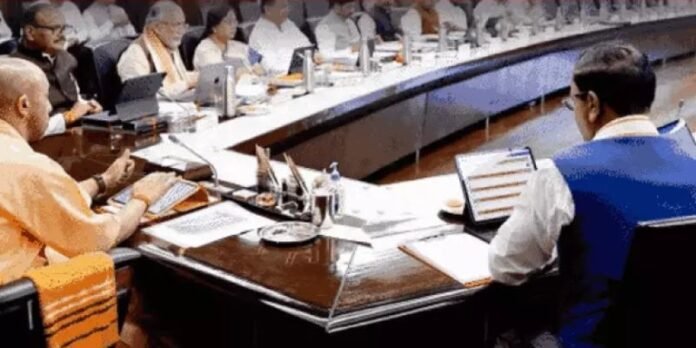
The Uttar Pradesh Cabinet, chaired by Chief Minister Yogi Adityanath, is set to meet today to discuss a series of important proposals that could have a major impact on the state’s finances, education, infrastructure, and welfare schemes. One of the biggest items on the agenda is the approval of a supplementary budget worth around ₹40,000 crore along with the Appropriation Bill. The government is expected to table the supplementary budget during the ongoing Monsoon Session of the state legislature.
The Cabinet may also approve amendments to the Uttar Pradesh Madrasa Education Council Act, 2004. If cleared, the proposal could end the official recognition of Kamil and Fazil degrees offered by madrasas. The move is expected to align the madrasa education system with recent legal and administrative changes.
Focus on Farmers and Infrastructure
The government is also likely to approve the implementation of the Pradhan Mantri Fasal Bima Yojana and the Restructured Weather-Based Crop Insurance Scheme for the current Kharif season. These schemes aim to provide financial protection to farmers against crop losses caused by natural disasters and adverse weather conditions.
Infrastructure development is another key focus. The Cabinet may clear a proposal related to the Jewar Link Expressway, which is expected to improve connectivity to Noida International Airport. A proposal to create the Prayagraj-Chitrakoot Development Authority may also receive approval to speed up regional development.
Also Read: UP Assembly Monsoon Session Begins Amid Opposition Protest, Yogi Targets SP
Labour, Mining and Administrative Reforms
Several administrative reforms are expected to come up for discussion. These include amendments to mining service rules, new labour-related regulations, revised service rules for the State Property Department, and changes to the Vishwakarma Shram Samman Yojana.
The Cabinet may also consider proposals to grant concessions for electronics manufacturing projects, present the Comptroller and Auditor General (CAG) report, establish a Nomadic Development Board, amend the Molasses Control Act, and approve new multi-purpose hubs across the state.
If approved, these decisions will support the government’s efforts to strengthen infrastructure, improve governance, attract investment, and expand welfare programmes ahead of the next phase of development.


