

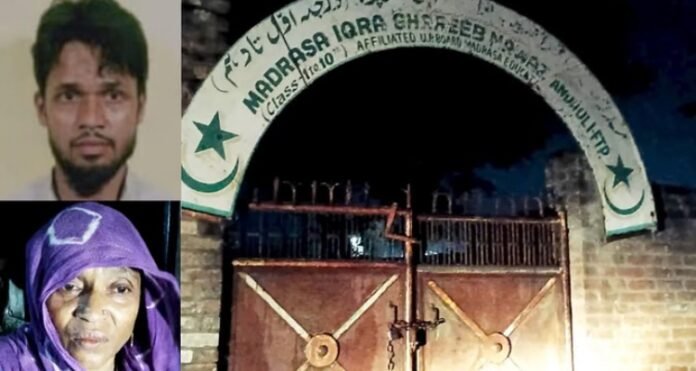
The mastermind behind the conspiracy to murder Hindu religious leaders in Fatehpur, Mo. Raza had a terror network that stretched from UP to Kerala. This was revealed during interrogation by the ACF and from call-detail records. According to sources, when the phones of the arrested persons were examined, Raza’s dangerous network came to light.
He had formed three teams and, between them, released 300 religious videos and assigned 13 tasks to the teams. It is suspected that some people from Fatehpur may also be part of his Mujahideen Army. Because of this, once remand is granted, the ATS may come to the district again.
They Were Living Among Ordinary People
It is reported that the UP ATS recently arrested Mo. Raza from Kerala. The court has also granted seven days’ remand. Sources say Raza’s teams and their members did not know each other at all. All of their communications were in code words. Because of this, he and his henchmen could easily live among ordinary people without drawing attention.
Discovery of 13 tasks and 300 videos
Raza’s network in the state is believed to include Fatehpur, Lucknow and Varanasi. More arrests may be made from these districts. Although this cannot yet be confirmed, there is talk that the ATS came to the district two days ago and questioned three people. After that, the ATS learned about the 13 tasks and the 300 videos.
Effort to Identify Team Members
The ATS is now working to identify the people in the three teams. On the other hand, Raza’s family members still refuse to believe that he could be a terrorist. In Andouli village, people neither speak highly of him nor speak ill of him.
Face-to-face Confrontation of the Accused
Sources say that during remand, the five arrested accused may be made to confront each other. This could reveal many more secrets about their army. In addition, Raza’s phone forensic report and his bank accounts will be examined.
Raza’s 13 main Tasks
Raza’s principal instructions included: collecting money to implement Sharia; preparing youth for jihad; spreading extremism on social media; continuously monitoring potential terrorist incidents; keeping an eye on statements by Hindu religious leaders; maintaining coordination between teams; gathering documents, making phone calls and procuring necessary supplies; stockpiling weapons; preparing maps of places they were going to or staying in; keeping surveillance on investigative agencies; operating like ordinary citizens to avoid suspicion; collecting jihadi literature; and deciding where to hide after carrying out tasks.

